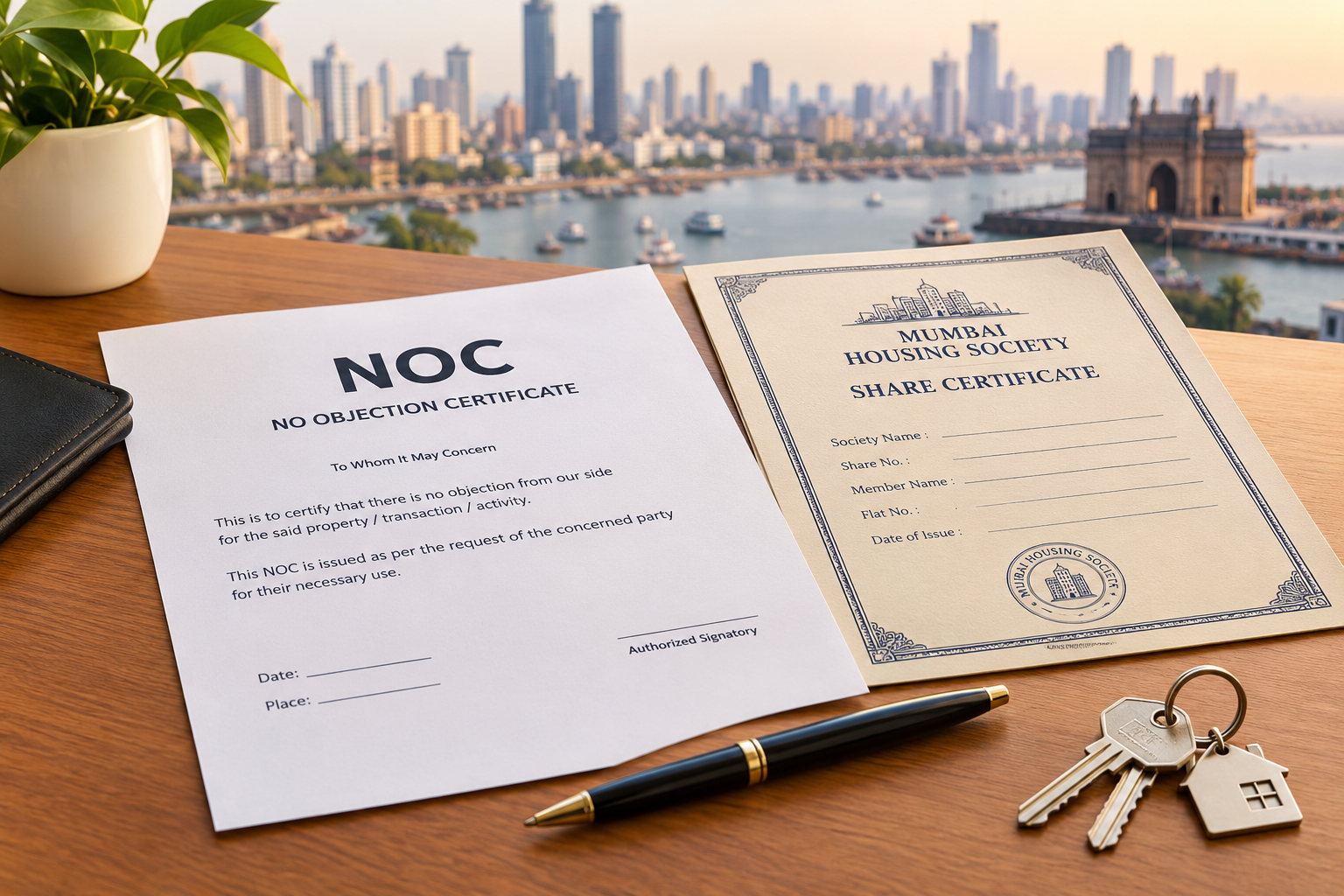
Property Agreement Drafting — Setting Clear Terms Before Any Property Deal
Setting the Terms Before Anything Else Happens
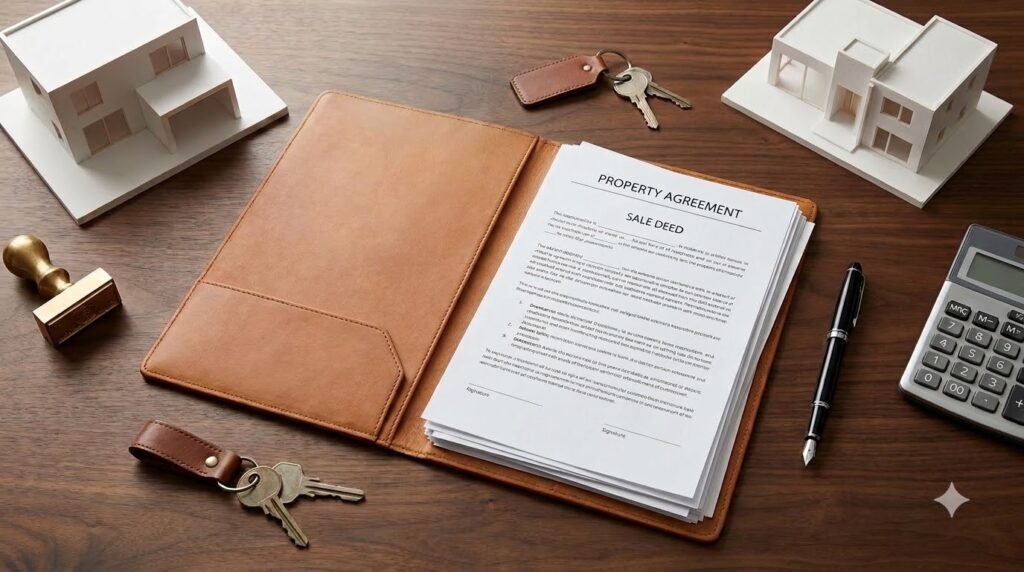
Before a sale deed is signed, before possession changes hands, most property transactions start with an earlier document — and that’s exactly where property agreement drafting comes in. A property agreement lays out the terms both parties are agreeing to, well before the final transfer takes place, which makes it one of the most important documents in the entire transaction, not just a preliminary formality.
At Draft My Documents in Mumbai, we prepare property agreements that clearly define terms, protect both buyer and seller, and reduce the risk of disputes as the transaction moves forward.
A property agreement is a legal document defining the terms and conditions between the parties involved in a property transaction — commonly used as an agreement to sell, ahead of the final sale deed, but also relevant for other arrangements like joint development or co-ownership agreements. Unlike a sale deed, a property agreement typically documents intent and conditions rather than completing the actual transfer of ownership.
Key Elements of Proper Property Agreement Drafting
Clear Identification of Parties Full legal names, addresses, and roles of everyone involved in the transaction need to be recorded accurately, leaving no ambiguity about who is bound by the agreement.
Detailed Property Description The property’s exact location, boundaries, and any distinguishing details must be described precisely, matching official records to avoid future disputes.
Agreed Price and Payment Schedule Property agreement drafting should clearly state the total consideration amount, any advance payment made, and the schedule for remaining payments.
Conditions and Contingencies Any conditions that must be met before the transaction proceeds — such as loan approval, clearance of dues, or completion of certain repairs — should be explicitly documented.
Timeline for Completion A clear timeline for when the final sale deed will be executed and possession handed over helps prevent misunderstandings about the transaction’s pace.
Remedies for Breach The agreement should specify what happens if either party fails to meet their obligations, including any penalties or remedies available.
Why Property Agreements Matter So Much
A property transaction often unfolds over weeks or months between initial agreement and final registration, and a lot can happen in that window — financing issues, change of mind, or disputes over conditions. Proper property agreement drafting protects both parties during this period by clearly documenting what was agreed to, reducing the ambiguity that leads to disputes if something doesn’t go as planned.
Common Mistakes in Property Agreements
Many property agreements run into trouble because of vague payment terms, missing contingency clauses, unclear timelines, or a lack of clarity about what happens if the deal falls through. Relying on a generic template without adapting it to the specific transaction is another common issue, since every property deal has its own particular conditions and concerns. According to guidance available through theGovernment of India’s National Land Records Modernisation Programme portal, verifying property records before entering into any agreement is an important step in protecting both parties.
Our Property Agreement Drafting Process
Understanding the Transaction – We discuss the specific terms, conditions, and timeline both parties have agreed to.
Property and Party Verification – We confirm the property details and the identities of all parties involved.
Draft Preparation – Our team prepares a complete agreement covering all essential clauses and contingencies.
Review With Both Parties – The draft is reviewed to ensure it accurately reflects what was agreed, before finalization.
Final Document Delivery – You receive a properly drafted agreement ready for signing.
Why Choose Draft My Documents
A property agreement sets the tone for the entire transaction that follows, and Draft My Documents brings the same careful, professional approach to property agreement drafting as we do to sale deeds, gift deeds, and every other document in our range. Our goal is always the same — clear terms, reduced risk of disputes, and a document that genuinely protects everyone involved.
Draft My Documents +91 9016855337 +91 9867170895
Frequently Asked Questions
1. What’s the difference between a property agreement and a sale deed?
A property agreement documents the terms and conditions both parties agree to ahead of the transaction, while a sale deed is the final legal document that actually transfers ownership.
2. Is a property agreement legally binding?
Yes, a properly drafted property agreement is legally binding and enforceable, which is why the terms within it need to be clear and accurate.
3. What happens if one party backs out after signing a property agreement?
This depends on the specific remedies and penalty clauses included in the agreement, which is why property agreement drafting should always address what happens in case of a breach.
4. Does a property agreement need to be registered?
Registration requirements vary depending on the type of agreement and local regulations, so it’s worth confirming this during the drafting process for your specific transaction.
5. Can a property agreement include conditions like loan approval?
Yes, contingency clauses covering conditions like loan approval or clearance of existing dues are commonly included in property agreements to protect both parties.