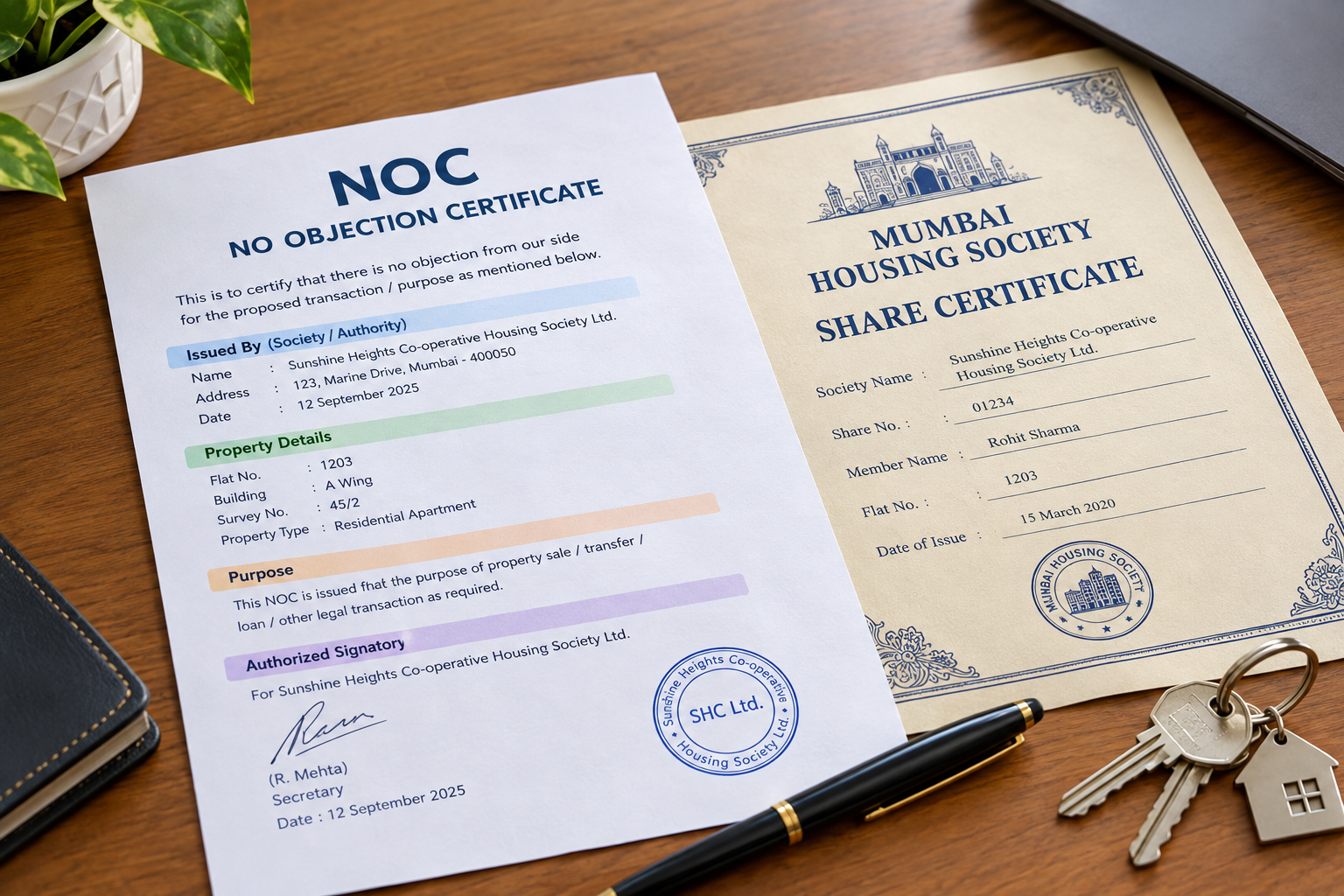


A legal loan document review is an independent check of your loan agreement and security papers, done from the borrower’s point of view, before you commit in writing. When you borrow against a property, you are not just accepting a monthly instalment. You are signing a binding contract that can give the lender rights over your property, your income and sometimes your family’s finances.
Many borrowers understand a clause only when something goes wrong, such as a missed payment, a plan to sell the property or a wish to switch lenders. A legal loan document review moves that discovery to the moment when acting on it costs nothing: before you sign.
At its core, a legal loan document review means reading every operative document with a lawyer’s eye and a borrower’s priorities. The reviewer identifies the rights the lender gains, the obligations you take on, and the gaps or ambiguities that could be read against you later.
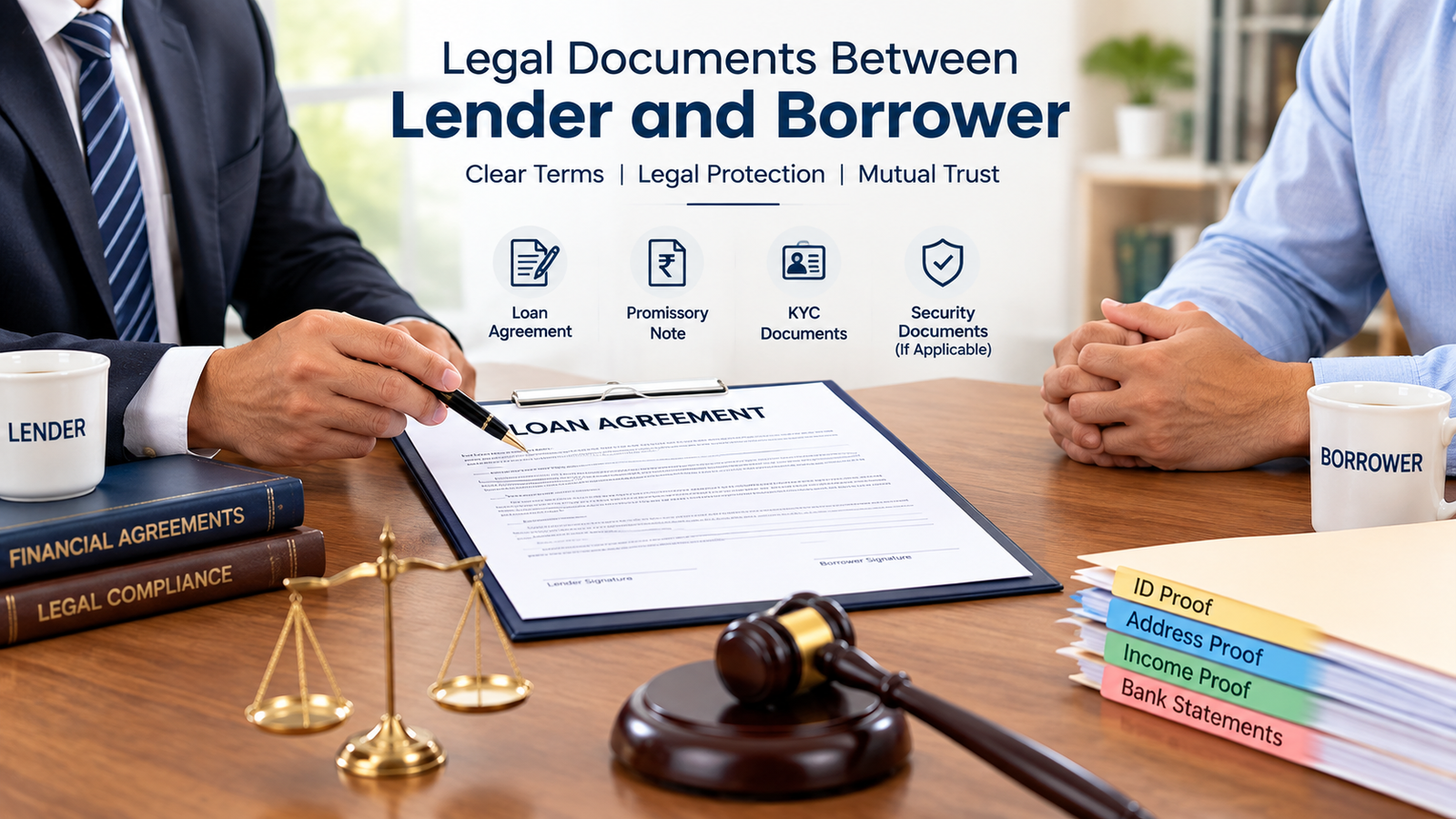
The work usually covers the sanction terms, the loan agreement, the mortgage or security documents, guarantees, undertakings, and any power of attorney or authority letter you are asked to give. The result is not a pile of legal jargon. It is a practical explanation of what you are agreeing to, what could go wrong and what you can reasonably ask the lender to change.
Banks and housing finance companies do have legal teams and panel advocates. Their task, however, is to make sure the lender’s security is valid and enforceable. That is a different goal from making sure you understand the deal or that the terms are balanced.
As a result, documents are usually drafted in the lender’s favour, and the borrower is expected to sign a standard form with little room for discussion. A legal loan document review does not assume bad faith. It simply restores balance by giving you someone whose only job is to look after your side of the agreement.
Most problems do not sit in the headline interest rate. They sit in clauses that matter only when circumstances change, and a legal loan document review is designed to surface exactly those.
Some agreements treat more than missed payments as default. A dispute on the property, an adverse credit report or a default on another loan with the same lender can all trigger serious consequences.
Read carefully whether the lender can demand full repayment at short notice and under what conditions. The difference between a cure period and an immediate right of recall can be substantial.
Secured lenders have strong remedies, including enforcement without going to court under the SARFAESI Act once an account turns non-performing. A borrower who understands this from the start can plan repayments and seek restructuring early if needed.
Some agreements let the lender adjust dues from your other accounts or treat the property as security for other liabilities. These clauses are easy to miss and difficult to unwind.
Rules for floating-rate loans to individual borrowers are generally friendly, but fixed-rate and business-purpose loans may carry charges. The exact wording in your agreement, not the sales pitch, decides what you pay.
Arbitration clauses, choice of venue and notice addresses look harmless, yet they decide where a dispute is handled and whether you receive important notices on time.
A loan is only as sound as the property documents behind it. During the review we compare the property description in the mortgage papers with your title documents, checking survey or CTS numbers, area, boundaries, owner names and project details for consistency.
We also examine the type of mortgage being created, whether by deposit of title deeds or through a registered instrument, and the stamp duty and registration formalities that apply in Maharashtra. The list of original documents the lender will hold is noted too, so you know exactly what leaves your custody. Where the property is under construction or part of a society, we also look at allotment terms and the conditions attached to disbursement.
The best time is after the lender issues the sanction letter and shares draft documents, but before you sign anything or accept disbursement. At this stage every term is still open for discussion.
A legal loan document review is also worth arranging when you transfer your loan to another lender, add a co-borrower or guarantor who must understand the liability being assumed, renew or restructure an existing facility, or take a loan against property for business use, where the stakes and legal complexity are higher.
Learn more about our work at Draft My Documents.
Signing a loan agreement is one of the largest legal commitments most people ever make. A legal loan document review helps you enter it with open eyes, understanding your rights as well as your duties. The effort and cost involved are small compared with the years of repayments and the property that stand behind the promise. For official guidance on lender disclosures and borrower protections, you can also visit the Reserve Bank of India.
Phone: +91 9016855337 / +91 9867170895
Email: draftmydocuments1@gmail.com
Office Hours: Mon–Fri, 9:00 AM – 7:00 PM | Sat–Sun: Closed
The bank’s legal vetting protects the lender’s security and recovery rights. An independent review looks at the same papers from the borrower’s side and explains what each clause means for your rights, costs and property.
Depending on the loan and its classification, the lender may issue notices, charge penal interest and, for secured loans, take steps to enforce its security, including under the SARFAESI Act. The exact consequences are set out in your agreement.
Only by mutual agreement, usually through a written amendment or a fresh document. Clarifying terms before signing is far easier than changing them afterwards.
Yes. We compare the property description in the mortgage papers with your title documents and check the security being created against the sanction letter.
Generally yes. Co-borrowers are jointly liable, and guarantors can be called upon to pay if the borrower fails. Anyone signing in these roles should understand the document first.



WhatsApp us