Benefits of Taking a Loan Against Residential Property
What Is a Loan Against Residential Property?
A Loan Against Residential Property (LAP) is a secured loan where you pledge your residential property as collateral to obtain funds from a bank or financial institution. The ownership of the property remains with you while the lender provides a loan based on the property’s market value.
The loan amount generally ranges between 50% to 75% of the property’s value depending on the lender and your repayment capacity.
Why People Choose a Loan Against Residential Property
Unlike personal loans that often carry high interest rates and shorter repayment periods, a loan against residential property offers better financial flexibility.
People commonly use this loan for:
Business expansion
Medical emergencies
Children’s education
Wedding expenses
Debt consolidation
Home renovation
Working capital needs
Major Benefits of Taking a Loan Against Residential Property
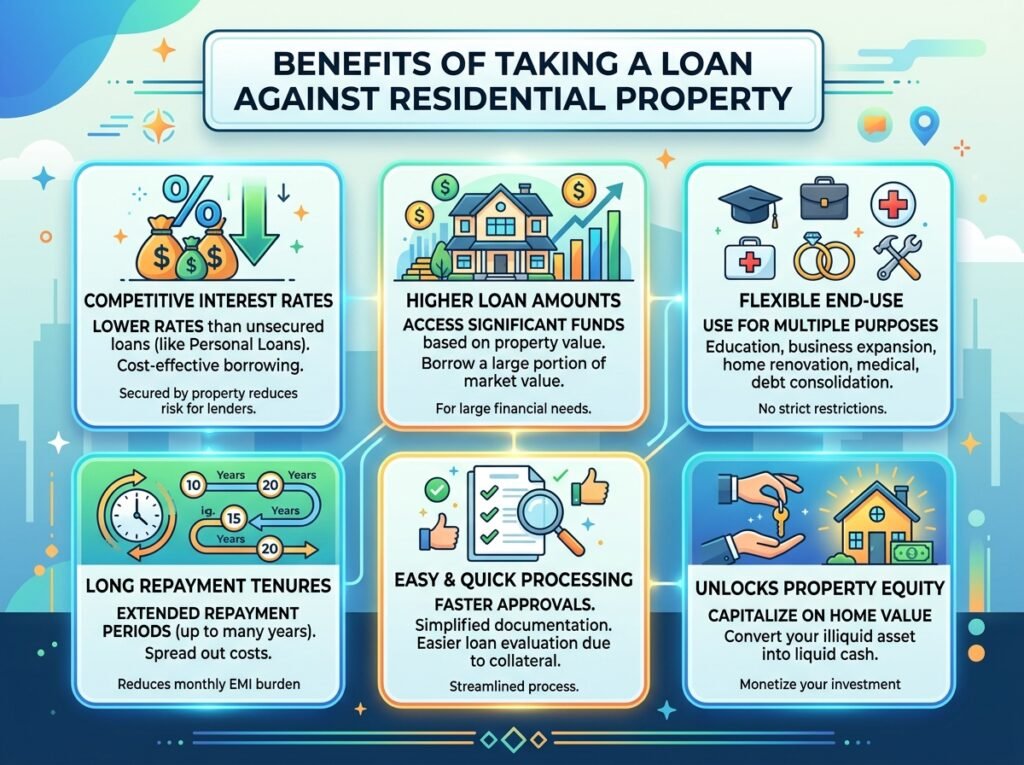
1. Lower Interest Rates Compared to Personal Loans
2. Higher Loan Amount Eligibility
3. Continue Owning and Using Your Property
4. Flexible Repayment Tenure
5. Multipurpose Loan Usage
6. Faster Loan Processing
7. Better Financial Management
8. Ideal for Self-Employed Individuals
9. Tax Benefits in Certain Cases
10. Improves Liquidity Without Selling Assets
Eligibility Criteria for Loan Against Residential Property
Although requirements differ among lenders, the common eligibility criteria include:
Basic Eligibility:
Indian citizen
Salaried or self-employed
Stable income source
Age usually between 21 and 65 years
Clear property title
Property Requirements:
Legally approved property
Marketable title
No major legal disputes
Documents Required
Here are the commonly required documents:
Personal Documents
PAN Card
Aadhaar Card
Passport size photographs
Income Documents
Salary slips
Income tax returns
Bank statements
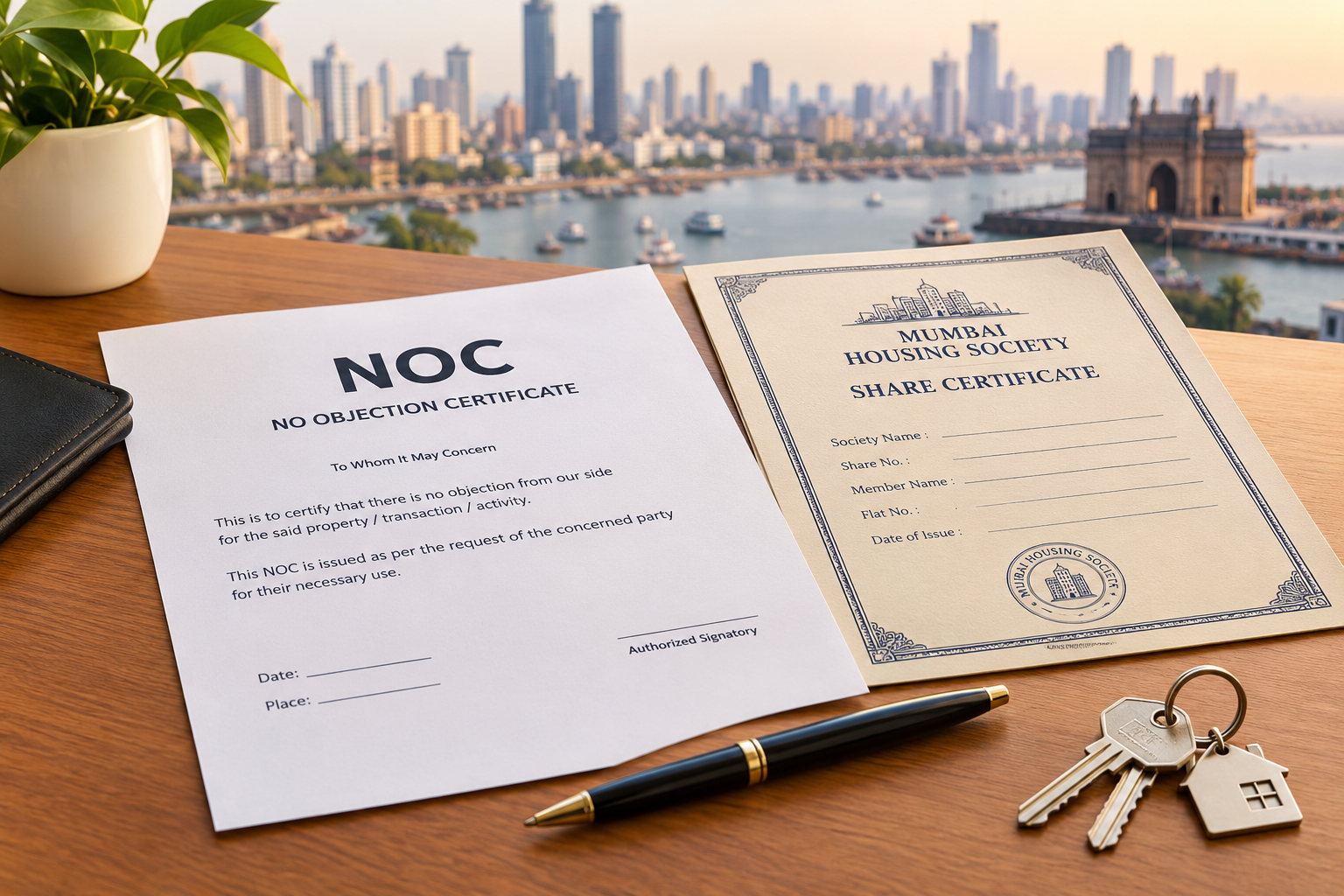
Property Documents
Sale deed
Property tax receipts
Approved building plan
Ownership proof
Keeping documents organized can significantly speed up approval.
Important Things to Consider Before Applying
Before taking a loan against residential property, carefully evaluate these factors:
1. Interest Rate Comparison
Always compare multiple lenders before finalizing.
2. Loan-to-Value Ratio
Understand how much funding you can receive against your property’s value.
3. Processing Charges
Check for hidden fees and foreclosure charges.
4. Repayment Capacity
Borrow only what you can comfortably repay.
5. Property Valuation
Ensure your property documents are legally clear and updated.
Common Mistakes Borrowers Should Avoid
Borrowing more than needed
Ignoring hidden charges
Missing EMI payments
Not reading loan terms carefully
Choosing very short repayment tenure
Smart financial planning helps maximize the benefits of LAP.
Who Should Consider a Loan Against Residential Property?
This financing option is ideal for:
Small business owners
Families facing medical emergencies
Parents funding higher education
Professionals seeking working capital
Individuals consolidating debts
It is best suited for borrowers needing large funds at lower interest rates.
How Draft My Documents Can Help
At Draft My Documents, we help individuals simplify legal and financial documentation related to loans and property matters.
Our services include:
Property document assistance
Legal drafting support
Loan documentation guidance
Affidavits and agreements
Property-related legal paperwork
For professional assistance:
Draft My Documents +91 9016855337 +91 9867170895
Frequently Asked Questions
Is a loan against residential property safe?
Yes, it is considered safe if you repay EMIs on time and borrow responsibly. You continue owning the property throughout the loan tenure.
What is the maximum loan amount I can get?
Most lenders provide around 50% to 75% of the property’s market value.
Can I use the loan amount for business purposes?
Yes, funds can be used for business expansion, working capital, education, medical expenses, and other personal needs.
What happens if I fail to repay the loan?
Failure to repay may lead to legal recovery action, including possession of the mortgaged property by the lender.
How long does loan approval take?
If documents are complete, approval may happen within a few days depending on the lender.
Conclusion
The benefits of taking a loan against residential property make it one of the most practical financing solutions for individuals and businesses seeking substantial funds at lower interest rates. From flexible repayment terms and higher loan eligibility to continued property ownership and multipurpose usage, LAP offers significant financial advantages.
However, responsible borrowing and proper financial planning are essential to avoid repayment stress. Always compare lenders, understand terms carefully, and keep your property documents legally updated before applying.
If you need expert assistance with property documentation, legal drafting, or loan-related paperwork, connect with Draft My Documents today. You can find our website on Google.