Introduction of Succession Certificate in India
Losing a loved one is emotionally challenging, and dealing with legal matters during such times can be overwhelming. One crucial document that often becomes necessary is the Succession Certificate. In India, this certificate serves as legal proof of the rightful heirs to a deceased person’s debts and securities. Understanding its significance and the process to obtain it can ease the legal proceedings during such sensitive times.
What is a Succession Certificate?
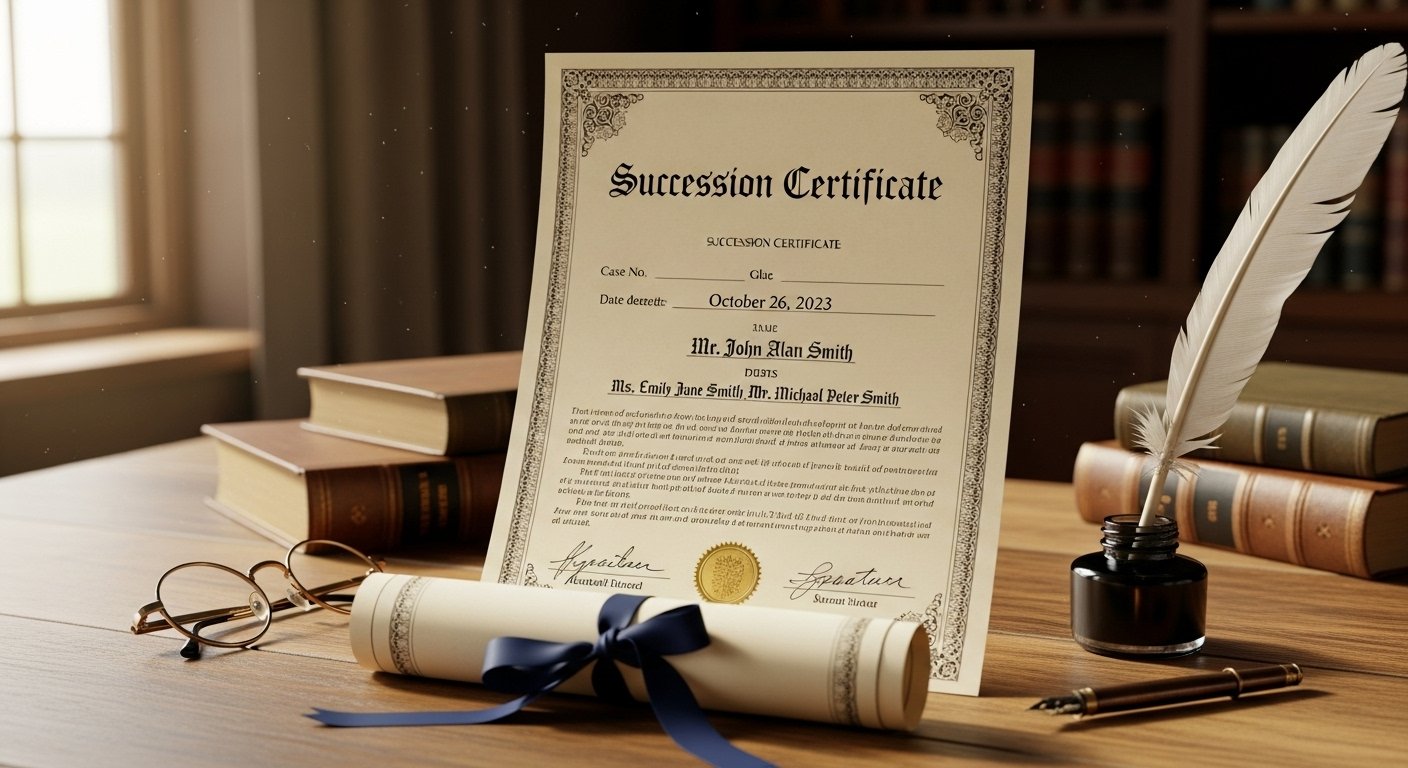
It is a legal document issued by a civil court in India under the Indian Succession Act, 1925. It authorizes the holder to collect debts and securities owed to the deceased person and to transfer them to the rightful heirs. This certificate is particularly essential when the deceased has not left a will (intestate).
Importance of a Succession Certificate
Legal Recognition: It provides legal recognition to the heirs, allowing them to claim the deceased’s assets.
Transfer of Assets: Facilitates the transfer of movable assets like bank accounts, shares, and insurance policies.
Debt Settlement: Enables the settlement of the deceased’s debts and liabilities.
Prevents Fraud: Acts as a safeguard against fraudulent claims by establishing the rightful heirs.
Who Can Apply for a Succession Certificate?
Typically, the legal heirs of the deceased, such as the spouse, children, or parents, can apply for the Succession Certificate. However, the court may grant the certificate to any person who can prove their entitlement to the deceased’s assets.
Process to Obtain
Filing a Petition: The applicant must file a petition in the district court where the deceased resided. The petition should include:
Details of the deceased’s time and place of death.
Information about the deceased’s family and relatives.
List of debts and securities of the deceased.
The applicant’s relationship with the deceased.
Court Hearing: The court will schedule a hearing and may issue a public notice inviting objections from other potential heirs.
Granting the Certificate: If no objections are raised, the court will grant the Succession Certificate to the applicant.
Documents Required
Death Certificate: Official proof of the deceased’s death.
Identity Proof: Government-issued ID of the applicant.
Proof of Relationship: Documents establishing the relationship between the applicant and the deceased.
List of Debts and Securities: Detailed list of the deceased’s assets and liabilities.
Court Fees: Payment as per the applicable rates.
Cost Involved
The cost for obtaining a Succession Certificate varies depending on the value of the estate and the state in which the application is made. Typically, it includes court fees, lawyer’s fees, and publication charges for public notices.
Timeframe for Issuance
The time taken to issue Certificate can range from 30 days to several months, depending on the complexity of the case and the court’s schedule.
Succession Certificate vs. Legal Heir Certificate
| Aspect | Succession Certificate | Legal Heir Certificate |
|---|---|---|
| Purpose | Claims debts and securities | Establishes legal heirs |
| Issuing Authority | Civil Court | Revenue Department or Panchayat |
| Usage | Transferring financial assets | Claiming government dues, property transfer |
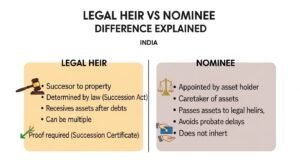
| Applicability | When no will is present | For all intestate succession matters |
Challenges in Obtaining a Succession Certificate
Disputes Among Heirs: Conflicts among potential heirs can delay the process.
Incomplete Documentation: Lack of proper documents can lead to rejections.
Legal Complexities: Understanding legal procedures without professional help can be challenging.
Tips for a Smooth Application Process
Consult a Legal Expert: Engage a lawyer specializing in succession matters.
Maintain Proper Documentation: Ensure all required documents are complete and accurate.
Be Prepared for Hearings: Attend all court hearings and respond to notices promptly.
Conclusion
Obtaining it is a vital step in settling the affairs of a deceased person without a will. While the process may seem daunting, understanding the requirements and procedures can simplify the journey. Always seek professional legal advice to navigate the complexities involved.
FAQs
What is the primary purpose of a Succession Certificate?
It allows the rightful heirs to claim debts and securities of the deceased.
Can a Succession Certificate be obtained without a will?
Yes, it’s primarily for cases where the deceased did not leave a will.
Who determines the rightful heirs?
The court assesses the petition and supporting documents to determine rightful heirs.
Is the Succession Certificate valid nationwide?
Yes, once issued, it’s valid across India.
Can an NRI apply for a Succession Certificate?
Yes, NRIs can apply through the district court in India where the deceased resided.