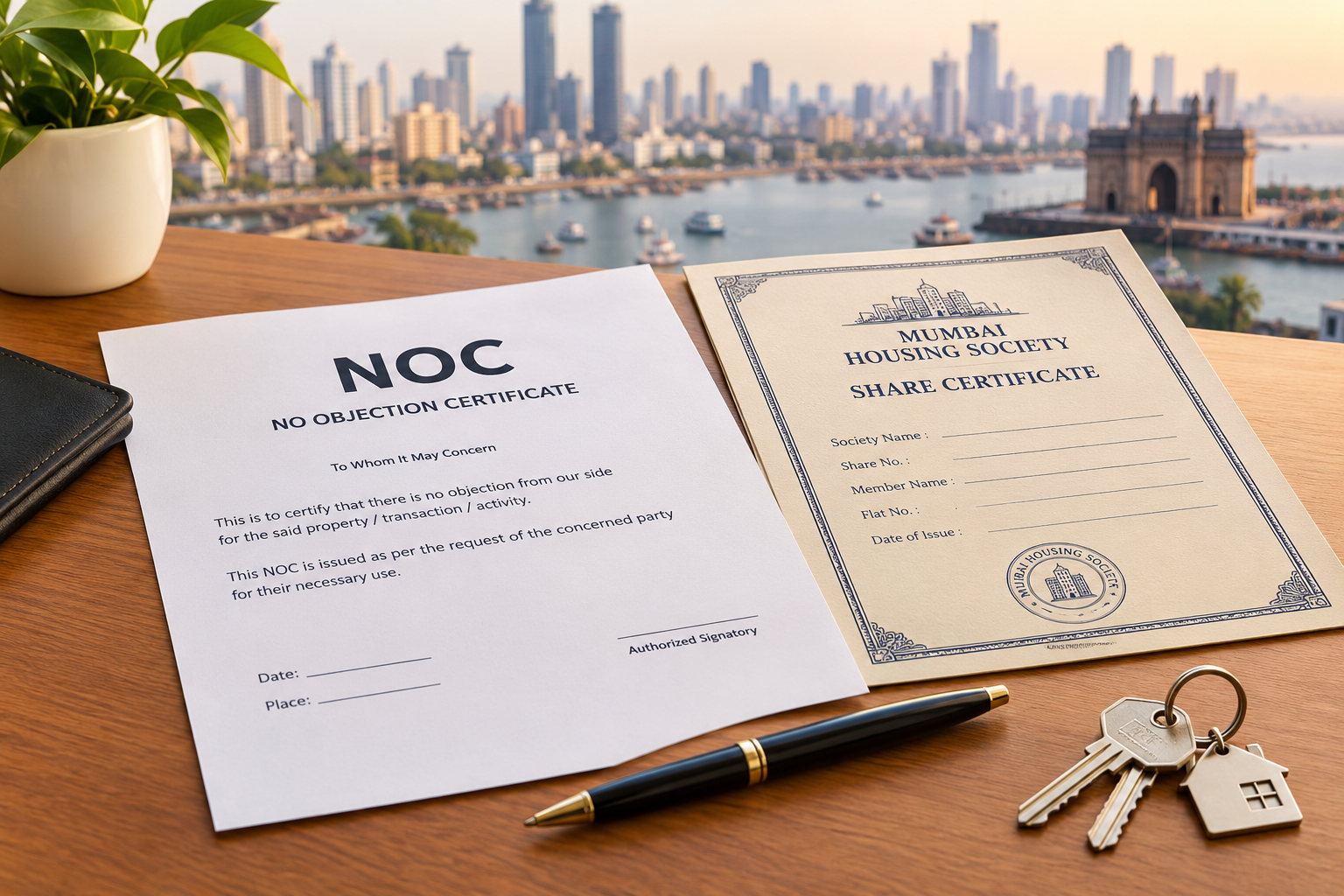
Introduction of Legal Heir Certificate
When a loved one passes away, the administrative burden of settling their affairs can feel overwhelming. One of the first—and most crucial—steps is securing a legal heir certificate. This document officially recognizes who the rightful heirs are and allows them to inherit property, access bank accounts, claim insurance, and more. But the process is not always smooth, and many stumble over procedural, documentary, and jurisdictional issues.
In this powerful guide, we’ll walk you through every aspect of the legal heir certificate: what it is, why it matters, how to apply, state‑wise peculiarities, common hurdles, and tips to handle them smartly. Whether you’re the eldest child or one of several heirs, this post will equip you with actionable knowledge to navigate the process confidently.
What Is a Legal Heir Certificate?
A legal heir certificate is an official document issued by a government authority (often revenue or municipal offices) that lists the legal heirs of a deceased person. In effect, it establishes who is lawful to claim the deceased’s assets, benefits, and rights.
Key Attributes
It does not grant title, but shows heirship relationship.
It is often required for bank account transfers, insurance claims, pension disbursal, and property succession.
Issuing authority is commonly the Tahsildar, Revenue Department, or municipal office.
In some states (e.g. Karnataka), legal heir certificates are issued only for government servants, while others must seek a succession certificate from civil courts.
Understanding exactly what a legal heir certificate is (and is not) helps avoid confusion later.
Why a Legal Heir Certificate Matters
Securing this certificate unlocks many legal and financial processes. Here are the most essential use cases:
Use Cases & Benefits
Transfer of assets: immovable property, bank accounts, fixed deposits.
Insurance claims: life insurance, health policies.
Pension & family pension for deceased government employees.
Gratuity & PF claims, arrears of salary, retirement dues.
Compassionate appointment in government jobs (if available).
Avoid family disputes by clearly establishing who is legitimate heir.
Without a legal heir certificate, heirs may face roadblocks when addressing the deceased’s financial or property affairs, especially in formal institutions like banks or government departments.
Eligibility & Who Can Apply
Knowing who can apply and under what conditions is key to a successful process.
Who Can Apply
Spouse, sons, daughters, parents of the deceased.
If some heirs are abroad or deceased, remaining heirs may apply (sometimes with supporting affidavits).
In case of adoption where no formal adoption deed exists, courts have held that authorities should consider other evidence rather than flatly rejecting the application.
Some states require all heirs’ consent or No Objection Certificates (NOC) from non‑applying heirs.
When Legal Heir Certificate Cannot Help
To settle debts or securities, courts often require a succession certificate, not just a legal heir certificate.
If there is dispute among heirs, you may need to go to civil court.
Documents & Information Required
Collecting correct, complete documents is critical. Here’s a typical checklist (may vary by state):
| Document / Info | Purpose |
|---|---|
| Signed application form with deceased & heirs’ details | Official request with relationships stated |
| Death certificate of the deceased | Proof of death |
| Identity proof of applicants (Aadhaar, PAN, voter ID) | Verify identity of heirs |
| Address proof (of heirs & deceased) | Establish residence |
| Proof of relationship (birth certificates, ration card, family card) | To substantiate claim |
| Affidavit on stamp paper (declaring list of heirs) | Legal undertaking of truthfulness |
| Two or more witnesses’ signatures | To attest the applicant’s claim |
| NOC or consent from other heirs (if applicable) | To avoid objection or dispute |
| Other supporting docs (like family register, census record) | As requested by local authority |
Before submitting, double-check that all names spellings, dates, and relationships are consistent.
Application Process & Timeline
Let’s break down the usual steps you’ll follow to get the legal heir certificate.
Step‑by‑Step Process
Obtain application form
Visit your local Tehsildar / Taluk / revenue office, or download via state e-portal.Fill and submit with documents
Include all required documents and affidavits.Local verification / enquiry
An officer or revenue inspector conducts field verification, interviews neighbors, checks records.Public notice or objection period
In some jurisdictions, a gazette or public notice is put out to invite objections.Final approval & issuance
If all checks pass and no valid objections arise, certificate is issued.
Timeline
Usually 15 to 30 days in many states.
Some states may take 21 to 45 days depending on backlog.
In complex or disputed cases, or when going to civil court, it may stretch to months.
If the process delays unduly, you may approach the Revenue Division Officer (RDO) or Sub-Collector to intervene.
State Variations & Special Rules
Because India is diverse, specifics differ by state and by whether the deceased was a government employee.
Karnataka
Legal heir certificate is only for government servants; for others, one must file a petition in civil court for a succession certificate.
Jammu & Kashmir
Issued by Additional Deputy Commissioner / Assistant Commissioner in revenue department.
Processing time: 30 days.
Fee: about ₹25.
Maharashtra, Tamil Nadu & Others
Some states allow fully online process (e.g. via MahaOnline portal in Maharashtra).
In local practice, revenue offices, Tahsildar or municipal offices handle issuance.
Always check the local revenue / municipal website for your state for up-to-date rules.
Differences: Legal Heir Certificate vs Succession Certificate
These two terms are sometimes used interchangeably — but they are different in scope and legal weight.
| Feature | Legal Heir Certificate | Succession Certificate |
|---|---|---|
| Issued by | Revenue or local authority | Civil court |
| Useful for | Claims over property, bank accounts, pension | Transfer of debts & securities, movables, claims |
| Contestability | Usually non‑contestable | Can be contested within statutory period |
| Time to obtain | 15–45 days typically | May take several months (6 to 9 months or more) iPleaders+1 |
| Scope | Lists heirs, but doesn’t bestow legal title | Has legal backing to enforce claims |
For complex estates with multiple claims, often succession certificate is necessary in addition to a legal heir certificate.
Challenges, Delays & Solutions
Even though the process is meant to be straightforward, many applicants face hurdles. Knowing them in advance helps you navigate better.
Common Challenges
Incomplete or incorrect documents — missing proofs, mismatches in names or relationships
Objections or disputes among heirs
Expense of affidavits or stamp duty
Bureaucratic delays or lack of responsiveness
Corrupt practices or unofficial demands (e.g. bribes) — documented in cases reported by applicants on forums
Lack of clarity or conflicting local rules
Practical Solutions
Prepare a checklist of documents before visiting the revenue office
Include extra supporting evidence (family register, school records, voter lists)
Obtain consent or NOC from all heirs wherever possible
Keep records of all submissions (acknowledgement slips, receipts)
If delayed, send a formal notice or escalate to revenue higher authorities (RDO / Sub-Collector)
Use RTI (Right to Information) to obtain status or force accountability
In contested or complex cases, consider applying in civil court to get juridical remedy
Recent judicial guidance in Chennai emphasized that lack of formal adoption deed should not automatically deny a legal heir certificate if other evidence supports the case
Tips to Speed Up Your Application & Avoid Pitfalls
Apply online (if your state supports it) to reduce office delays.
Ensure names, dates, relationships match across all documents.
Use local knowledge: neighbors or village officers who can vouch for family relations.
Submit a clean affidavit (on appropriate stamp) with clear declarations.
Don’t rush to hire middlemen or pay inflated fees due to urgency.
Maintain regular follow-ups at revenue office — politely but persistently.
Conclusion & Call to Action
A legal heir certificate is often the gateway to settling your loved one’s affairs—be it property transfer, insurance claims, pension, or estate distribution. While the rules and procedures vary across states, the key is to approach the process prepared, with correct documents, and awareness of local norms.
If you’re about to apply for a legal heir certificate and want help compiling documents, reviewing your application, or handling objections, I’m here to assist. Reach out, and let me help make this process smoother for you.