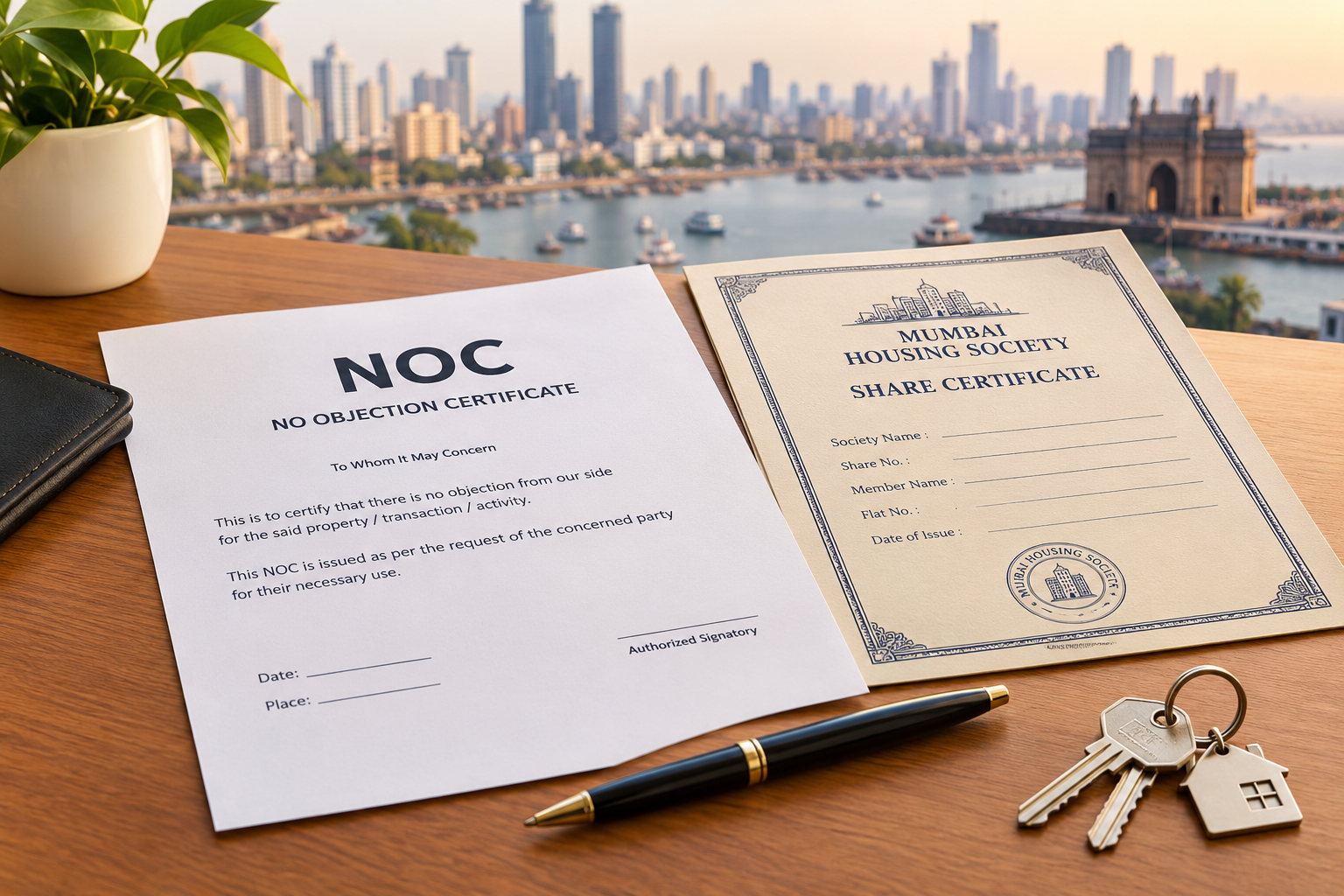
Introduction of Property Valuation
If you’re buying, selling, taking a loan against property, or settling an inheritance, one thing always matters: property valuation. But many people get stuck in myths—“just check the neighbourhood rate,” or “banks will value it fairly.” In reality, accurate property valuation requires a structured process, expert judgement, and awareness of local laws.
In this post, we explore property valuation in depth—what it means, how valuers do it, methods used (especially in India), hidden pitfalls, and tips to ensure you get a fair number. Read on to gain powerful insights that protect your money and transactions.
What Is Property Valuation?
Property valuation is the professional process of estimating the monetary worth of a property at a specific point in time. It considers the land, structure (if any), location, legal status, and many more factors.
This valuation is needed in:
Sale or purchase of real estate
Home loans / loan against property
Tax / stamp duty / registration processes
Litigation, inheritance, or divorce matters
Insurance covers
A valuation report is generally prepared by a certified / registered valuer, and depending on purpose, the method and depth of analysis can differ. In India,
The Institution of Valuers (IOV) is a recognized professional body in India, supporting standards, training, and registration of valuers. Wikipedia
Why Accurate Valuation Matters
Getting the valuation right is not just academic—it has serious financial consequences:
Fair deal: prevents you from overpaying or underselling
Loan sanction: banks or NBFCs rely on valuation to decide how much they can lend
Tax & compliance: stamp duty, property tax are often tied to “circle rate” or assessed value
Legal protection: in disputes (inheritance, divorce), a credible valuation report helps evidence your claim
Insurance & risk: ensuring sufficient coverage for your property’s real value
In India, there’s a contrast between ready reckoner / circle rates (government-assessed minimal values) and professional valuation (market-based). The higher of the two is commonly used for stamp duty computation.
For example, a property might be valued “market-wise” at ₹1 crore, but the circle rate is ₹70 lakh—stamp duty may apply on whichever is higher.
3 Main Methods of Property Valuation
There is no single “correct” method; valuers often use multiple approaches and reconcile between them. In India and worldwide, three standard methods dominate:
1. Sales Comparison (Comparative / Market) Approach
This is the most common approach, especially for residential or easily comparable properties.
The valuer identifies comparable properties (same area, size, condition, amenities) recently sold.
Adjustments are made for differences (age, facing, floor, orientation).
Value is derived by comparing prices of these comparables.
This method works well where there is sufficient data on recent similar transactions.
2. Cost Approach (Replacement / Depreciated Cost)
Used often for new properties, or special-use buildings (schools, unique structures):
Estimate land value
Estimate cost to build the structure, less depreciation (wear, obsolescence)
Sum them to get property value
The logic: new buyers would pay not more than what it costs to recreate the same property.
3. Income Capitalization (Yield / Rental) Method
Typically used for income-generating properties such as commercial buildings or rental blocks:
Determine net operating income (NOI) = rental income minus expenses
Apply a capitalization rate (cap rate) or discount rate
Value = NOI ÷ Cap rate
This links the property’s earning power directly to its value.
Key Factors That Impact Property Valuation
Valuers consider many variables beyond basic metrics. Some crucial ones:
Location & Neighbourhood
Proximity to schools, hospitals, malls, transport
Road connectivity, traffic, infrastructure
Future planned developments
Land / Plot Attributes
Size, shape, topography
Zoning / permitted usage (residential, commercial, industrial)
Setbacks, coverage ratio
Building / Structure
Age, construction quality, materials
Design, maintenance, amenities
Functional layout, structural defects
Legal & Title Factors
Clear title, encumbrances, pending litigation
Approvals (building permit, occupancy certificate)
Market Conditions
Supply and demand in locality
Interest rates, buyer sentiment
Comparable sales trends
Circle Rates / Government Benchmarks
Many states publish ready reckoner or circle rates used for registration and stamp duty. Those form a floor value below which properties may not legally register.
External & Environmental Factors
Pollution, flood zone, noise, hazards
Scenic views, parks, natural features
Future infrastructure projects
These factors, when weighted properly, help the valuer arrive at a realistic and defensible valuation.
How to Get a Certified Property Valuation in India (Step by Step)
Here’s a practical roadmap to obtaining a credible valuation:
1. Define the Purpose
Is it for a home loan, sale, tax / registration, dispute / legal case, or insurance? Purpose influences method and depth.
2. Select a Qualified Valuer
Valuer should be registered / empaneled (RERA, IBBI, state registry)
Prefer experience in the locality and property type
Check credentials, past reports, references
3. Provide Complete Documents / Data
Title deed, ownership papers, survey / layout, maps
Building plans, permits, OC / NOC
Income statements (if rental), expense sheets
Recent comparables or sale deeds
4. Physical Inspection & Measurements
On-site inspection: interior, exterior, condition
Measure dimensions accurately
Check amenities, structural issues
5. Valuation Analysis & Report
Apply relevant methods (comparison, cost, income)
Reconcile different values to arrive at final figure
Prepare written valuation report with assumptions, methodology, caveats
6. Review & Use
Use the certified report for your intended purpose
Keep copy for future reference or legal proof
Typically, this process takes a few days to a couple of weeks depending on property complexity and data availability.
Challenges, Limitations & Pitfalls in Property Valuation
Even expert valuers face hurdles. You should be aware of these:
Scarcity of comparable sales in certain localities
Data opacity / informal transactions not recorded publicly
Variability in circle rates vs real market
Subjectivity / bias in adjusting comparables
Rapid market changes — valuations can become outdated quickly
Legal title issues dragging valuation validity
Underground modifications or unapproved construction
In India, regional discrepancies in valuation norms and lack of standardization are major issues.
Also, the enhanced property valuation hike in some districts was struck down by courts for procedural violations (e.g. Orissa High Court quashed valuation hike in Ganjam)
Use valuation reports as guidance, not absolute truth—especially in fast-moving markets.
Tips to Get the Best Possible Valuation
Here are actionable tips to maximize fairness:
Hire a local valuer familiar with your area
Provide evidence of recent sales in your neighborhood
Ensure your property is well-maintained / clean during inspection
Remove or fix glaring defects before valuation
Disclose all amenities clearly (parking, lift, AC, garden)
Challenge unreasonable circle rate or municipal values using credible comparables
Get multiple valuations and compare
Request the assumptions / adjustments used in the report
Conclusion & Call to Action
Accurate property valuation is both an art and a science. It combines data, method, judgment, and local insight. Whether for a sale, loan, tax, or legal purpose, a solid valuation protects you financially and legally.
If you plan to get your property valued (for sale, mortgage, dispute, or tax), I can help you:
Review valuation reports to check fairness
Connect with qualified valuers in your area
Prepare supporting documents and comparables
Reach out and let’s make sure you get the most credible, defensible valuation for your property.