Loan Document Review Service: Check Every Clause Before You Sign
Introduction
A loan document review service helps you read, understand and verify every paper a lender gives you before your signature makes it binding. In India, a home loan or loan against property agreement can run into dozens of pages of dense legal language, and most borrowers sign it in one sitting because the bank calls it “standard”. A standard document, however, is still written to protect the lender first.
This guide explains how a loan document review service works, which papers it covers, what problems it catches and who benefits most, so borrowers in Mumbai and across India can sign with confidence rather than hope.
A loan document review service is a professional check of your loan paperwork by people who understand both the legal drafting and its impact on your money. Instead of skimming the summary page, the reviewer goes through the sanction letter, agreement, schedules and security documents line by line, then explains the important points in plain English.
Think of it as a second opinion. The bank’s own team has already examined the papers, but that scrutiny is aimed at protecting the lender’s interest. A loan document review service works for you. It answers simple but crucial questions: What exactly am I agreeing to? What do I pay if I repay early? What happens if I miss two EMIs? Who holds my property papers, and for how long?
Why Loan Papers Need a Second Look
Loan agreements are not written to be read over a cup of tea. Interest reset rules, penal charges, default triggers and security clauses are often spread across the agreement, its schedules and the sanction letter, and the three do not always say the same thing.
Small differences carry real cost. A rate that looks fixed in the offer may be floating in the agreement. A processing fee quoted as a percentage may exclude taxes. An insurance premium may be added to the loan amount, which means you pay interest on it for years. Reviewing the papers side by side brings every such gap into view.
Timing matters as well. Once the agreement is signed and the loan is disbursed, changing terms becomes very hard. Checking before signature keeps every option open, including negotiating, switching lenders or walking away.
Documents Covered in a Loan Document Review Service
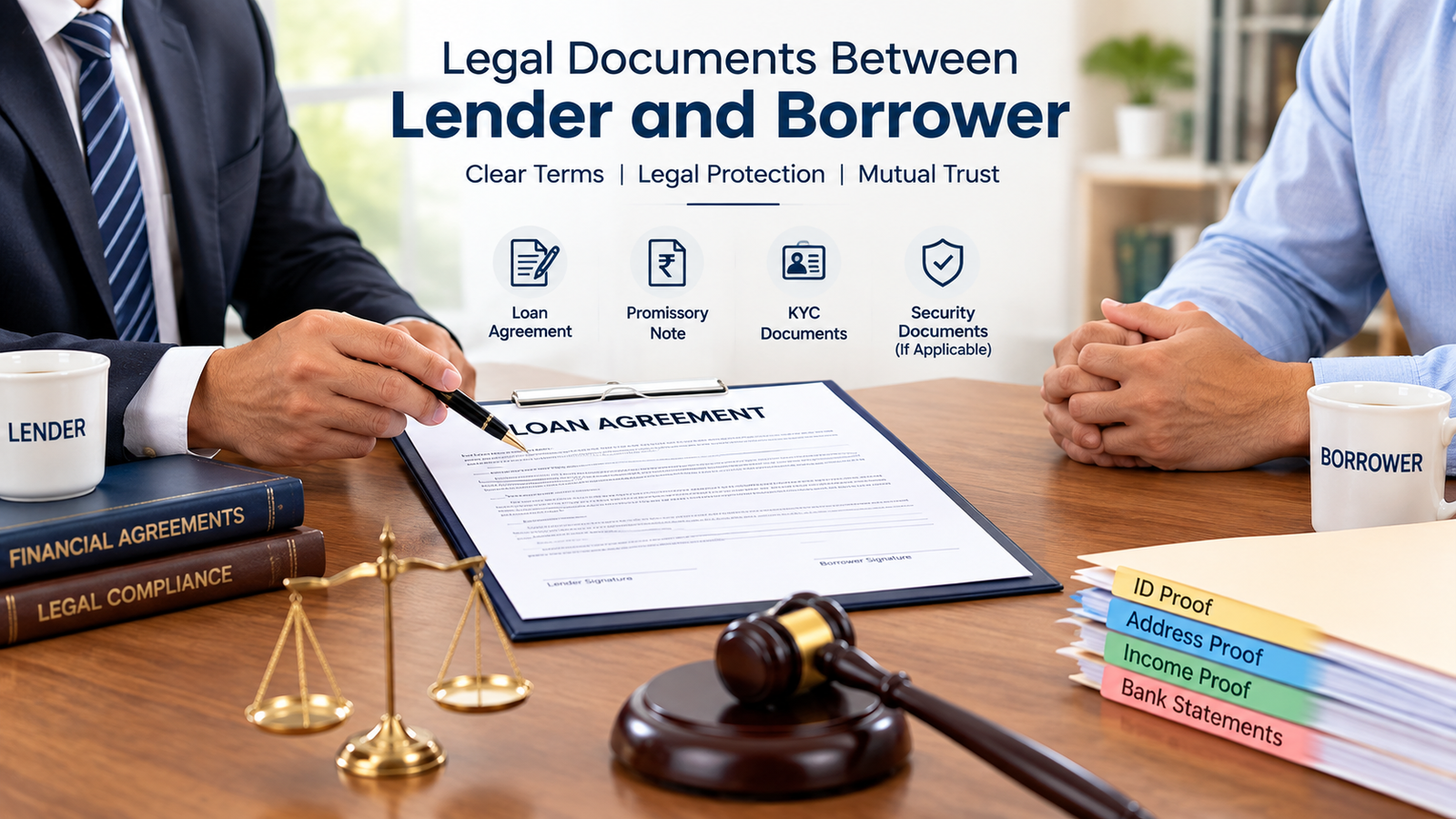
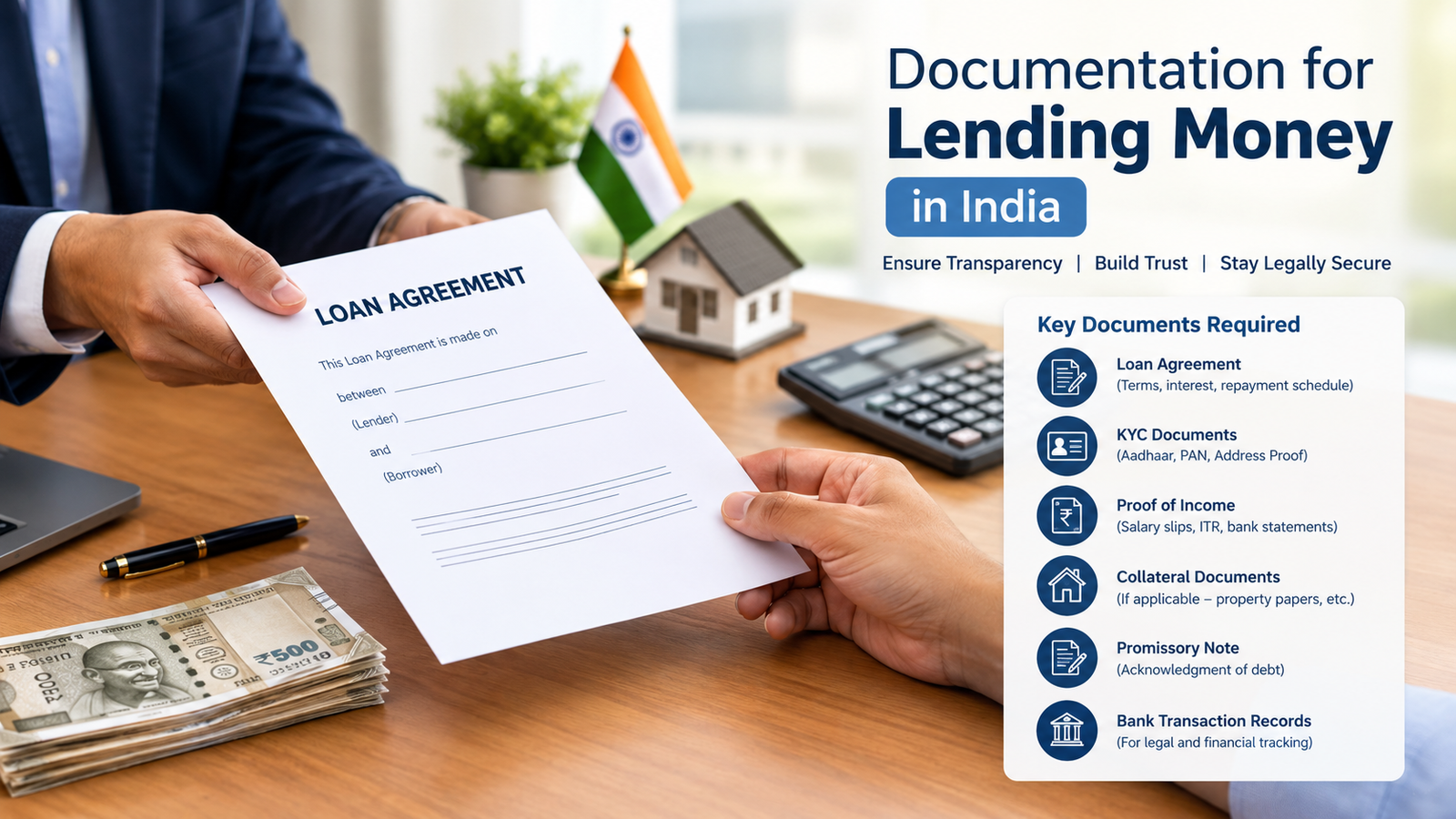
A thorough review does not stop at the main agreement. Depending on your loan, we go through the following.
Sanction Letter and Key Fact Statement
The sanction letter sets out the approved amount, interest rate, tenure, fees and conditions. Lenders are also expected to share a Key Fact Statement that summarises the annual percentage rate and total charges. We compare both against the agreement to make sure the numbers match.
Loan Agreement and Schedules
This is the core contract. We examine repayment terms, interest reset clauses, prepayment and foreclosure conditions, default triggers, penal interest and the lender’s right to recall the loan.
Most Important Terms and Conditions
For housing finance, the MITC summarises the key terms. We check that it is consistent with the full agreement and that nothing important has been left out.
Mortgage Deed and Security Documents
These papers decide what happens to your property if repayments fail. We look at the type of mortgage, the property description, the stamp duty position, and any guarantee or power of attorney attached to the loan.
Ancillary Forms and Mandates
Insurance forms, NACH or ECS mandates, post-dated cheques and disbursement instructions all carry obligations. Problems often hide in the smallest forms, so we read these too.
Red Flags Our Review Commonly Catches
A careful loan document review service keeps finding the same handful of issues.
Rate mismatches between the offer letter and the agreement, or unclear reset conditions on floating-rate loans.
Foreclosure and part-payment charges that apply where they should not. Rules for floating-rate loans to individual borrowers are generally favourable, but fixed-rate and some business loans can still carry charges, so the actual wording must be checked.
Bundled insurance and add-on products that increase the loan amount without a clear explanation.
Wide default clauses, including cross-default terms that treat a problem on one loan as a default on all your borrowings.
Blank or incomplete fields in documents you are asked to sign in advance.
Property description errors in mortgage papers, such as wrong survey numbers, areas or owner names, which can create trouble later.
How Our Loan Document Review Service Works
We keep the process simple so you always know where you stand.
Share your papers. Send scanned copies of the sanction letter, draft agreement, MITC and any security documents you have received.
Line-by-line reading. Our team studies each document and cross-checks numbers, dates, names and property details.
Issue spotting. We mark risky, unclear or one-sided clauses and any mismatch between documents.
Plain-language summary. You receive a clear explanation of what each important clause means for you in practice.
Action points. We list what to ask the lender to correct, clarify or remove before you sign, and we help you frame those questions.
Re-check of revised papers. If the lender sends updated drafts, we verify that the agreed changes have actually been made.
Who Should Use a Loan Document Review Service?
Almost anyone borrowing against property can benefit, but the service is especially valuable for:
First-time home buyers who are unfamiliar with legal drafting and want to avoid expensive lessons.
Borrowers taking a loan against property for business or personal needs, where the property itself is at stake.
Self-employed professionals and business owners who sign several financing documents every year and rarely have time to read them fully.
NRIs and family members signing from a distance, who depend entirely on what the lender sends.
People transferring an existing loan, who need to compare old and new terms carefully.
Why Choose Draft My Documents for Loan Document Review
Real estate legal focus: we work on sale deeds, agreements, indemnity bonds, property search reports and home loan documentation every day, so we understand how loan terms connect with the property behind them.
Over five years of experience: we handle complex paperwork with precision and know where lenders’ documents commonly need a closer look.
Accuracy and compliance: every document is reviewed carefully so mistakes are caught before they become your problem.
Plain, practical advice: you get clear action points instead of legal jargon.
Personal attention: we work closely with you, answer your questions and stay with you until you are comfortable with your decision.
A signature on a loan agreement is a promise that can last twenty years. A loan document review service makes sure it is a promise you understand and can afford. It costs a small fraction of what you will repay over the loan tenure, and it is far easier to fix a clause on paper than a problem after disbursement. For official guidance on lender disclosures, you can also refer to the Reserve Bank of India.
1 . What does a loan document review service actually do?
It reads your sanction letter, loan agreement, mortgage deed and related papers line by line, explains the terms in plain language, flags hidden charges and one-sided clauses, and tells you what to clarify with the lender before you sign.
2. Is it too late to get my loan papers checked after the bank sanctions the loan?
No. Sanction usually comes before the final agreement is signed and the loan is disbursed, so you can still ask the lender to correct or explain terms.
3. Can a review help me save money on my loan?
Yes. Reviewers often spot avoidable processing fees, insurance add-ons, penal interest terms and foreclosure charges. Questioning these before signing can reduce your total borrowing cost.
4. How long does a loan paper review take?
Most reviews for a standard home loan or loan against property file are completed within a few working days, depending on the number of documents and how quickly you share them.
5. Do I need to share original documents for the review?
Clear scanned copies of the drafts and sanction papers are normally enough. Never hand over original title deeds unless it is necessary and you know who will hold them.